

Coronary Angiography
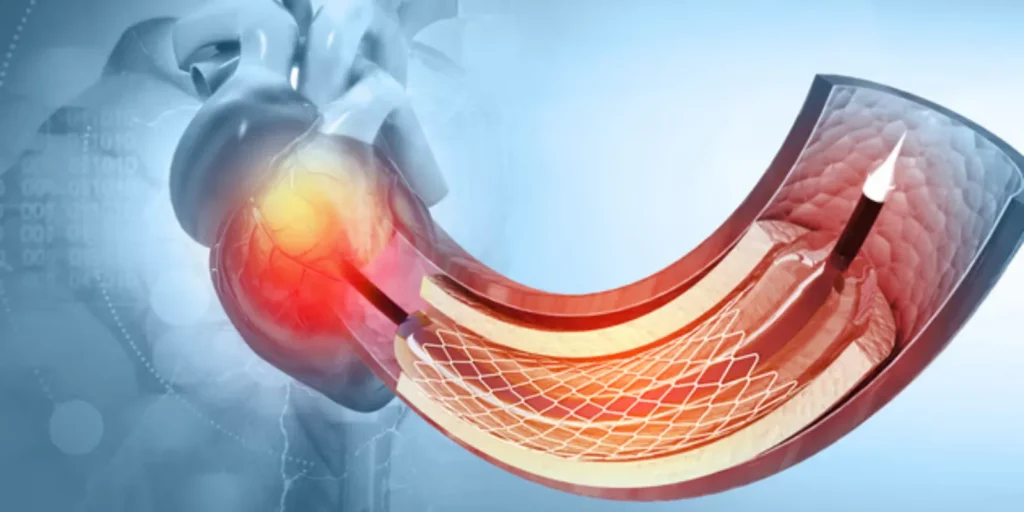
What Is Coronary Angiography?
Coronary angiography is a specialized diagnostic test used to examine the blood flow in the coronary arteries, which supply oxygen-rich blood to the heart muscle. These arteries can become narrowed or blocked due to plaque buildup, increasing the risk of chest pain, heart attack, or other serious heart conditions. Coronary angiography helps doctors clearly visualize these blockages and assess the severity of coronary artery disease.
At Good Heart Clinic, coronary angiography is performed with a strong focus on patient comfort, safety, and clarity, ensuring that individuals understand every step of their diagnostic journey.
Seeking Care? We are here to help!
Who Should Undergo Coronary Angiography?
Coronary angiography is recommended for individuals who show signs or symptoms suggestive of coronary artery disease or who are at increased cardiovascular risk. It is especially valuable when non-invasive tests do not provide conclusive results.
- Individuals experiencing persistent chest pain or discomfort suggestive of coronary artery disease
- Patients with unexplained shortness of breath, fatigue, or symptoms worsening with physical activity
- People with abnormal results on ECG, TMT, stress test, or stress echocardiography
- Patients with a history of heart attack or known coronary artery disease
- Individuals with uncontrolled diabetes, high blood pressure, or a strong family history of heart disease
How Is Coronary Angiography Performed?
- Coronary angiography is a minimally invasive procedure performed in a specialized cardiac catheterization laboratory. The procedure usually takes about 30 to 45 minutes and is conducted under local anesthesia.
- A thin, flexible tube called a catheter is gently inserted through a blood vessel in the wrist (radial artery) or groin (femoral artery). This catheter is carefully guided to the coronary arteries under imaging guidance. Once positioned, a contrast dye is injected, allowing the arteries to be clearly visualized on X-ray images.
- During the procedure, patients remain awake but relaxed, and discomfort is minimal. The medical team continuously monitors heart rhythm, blood pressure, and oxygen levels to ensure safety.
- At Good Heart Clinic, advanced techniques such as radial access angiography are preferred whenever possible, as they allow faster recovery, less discomfort, and a lower risk of complications.
Benefits of Coronary Angiography
Coronary angiography offers significant benefits for both diagnosis and treatment planning. One of its greatest advantages is accuracy—it provides a clear and detailed view of the coronary arteries, allowing cardiologists to precisely identify the location and severity of blockages.
- Helps in early detection of coronary artery disease before serious complications occur
- Guides treatment decisions, including medication, angioplasty, stenting, or bypass surgery
- Enables timely and potentially life-saving intervention for high-risk patients
- Reduces uncertainty by offering clarity about the heart condition
- Supports informed and confident decision-making for patients and families

Advanced Facilities at Good Heart Clinic
Good Heart Clinic is equipped with modern cardiac diagnostic infrastructure designed to deliver accurate results with maximum patient comfort. Coronary angiography is performed using state-of-the-art imaging systems that ensure high-resolution visualization of coronary arteries.
- Follows globally accepted safety protocols and evidence-based practices to minimize risks and enhance procedural success.
- Special emphasis is placed on minimally invasive approaches, including radial artery access, which promotes faster healing and early return to daily activities.
- Under the expertise of Dr. Harshal Ingle, patients benefit from meticulous evaluation, ethical guidance, and personalized care planning.
- Every angiography procedure is supported by trained staff, advanced monitoring systems, and a calm, reassuring environment.
- From pre-procedure counseling to post-test guidance, patient well-being remains the top priority.
Worried you may need surgery? Explore Second Opinion
If you’re feeling unsure about your diagnosis or treatment plan, a second opinion can bring the clarity and peace of mind you need. Dr. Harshal Ingle offers a thoughtful, unbiased review of your reports, helping you understand every option clearly and confidently.
Many patients seek a second opinion when facing major decisions like angioplasty, bypass surgery, or valve procedures. With extensive expertise in complex and high-risk cases, Dr. Ingle ensures you receive honest guidance tailored to your condition. Your heart deserves certainty—and we are here to help you make the choice that feels right for you.

Expert Knowledge. Trusted Guidance.
Doctor-led treatment videos offer clear, reliable guidance for anyone seeking to understand medical procedures and make informed decisions about their care.
Frequently Asked Questions (FAQ's)
Is coronary angiography a painful procedure?
Coronary angiography is generally not painful. Patients may feel mild pressure at the catheter insertion site, but the procedure is performed under local anesthesia for comfort.
How long does recovery take after coronary angiography?
Most patients recover within a few hours and can go home the same day. Those undergoing radial angiography often experience quicker recovery with minimal restrictions.
Is coronary angiography safe?
Yes, when performed by an experienced cardiologist, coronary angiography is a safe procedure. Minor risks are rare and are carefully managed with advanced monitoring and protocols.
Do I need angioplasty after coronary angiography?
Not always. Angiography helps determine whether medication, lifestyle changes, angioplasty, or surgery is the best treatment option. Many patients do not require further procedures.