

Coronary Angioplasty
What Is Coronary Angioplasty?
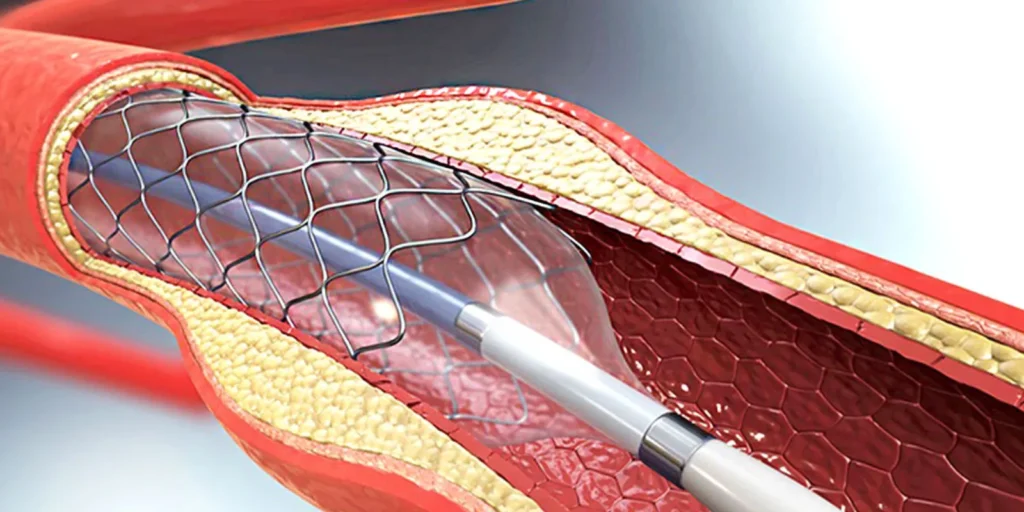
Coronary angioplasty is a minimally invasive procedure used to restore blood flow in narrowed or blocked coronary arteries. These blockages are caused by the buildup of fatty deposits, known as plaque, which can restrict oxygen supply to the heart muscle and lead to chest pain, breathlessness, or heart attack. Coronary angioplasty helps open these narrowed arteries, improving circulation and relieving symptoms.
The procedure often involves placing a small metal mesh tube called a stent to keep the artery open permanently. With advancements in interventional cardiology, coronary angioplasty has become a safe and highly effective alternative to open-heart surgery for many patients. At Good Heart Clinic, angioplasty is performed with precision, care, and a strong focus on patient comfort and long-term heart health.
Seeking Care? We are here to help!
Who Should Undergo Coronary Angioplasty?
Coronary angioplasty is recommended for patients whose coronary arteries are significantly narrowed or blocked and require immediate restoration of blood flow. The decision to proceed with angioplasty is based on clinical symptoms, diagnostic findings, and overall heart health.
Patients who continue to experience symptoms despite medication or those diagnosed with critical blockages may benefit greatly from angioplasty. In emergency situations, such as a heart attack, angioplasty can be life-saving by rapidly opening the blocked artery.
- Patients with significant coronary artery blockages detected on coronary angiography
- Individuals suffering from persistent chest pain (angina) despite medical treatment
- Patients with acute heart attack or acute coronary syndrome
- Individuals with reduced blood flow to the heart muscle affecting daily activities
- Patients with high-risk coronary lesions requiring immediate intervention
How Is Coronary Angioplasty Performed?
- Coronary angioplasty is performed in a cardiac catheterization laboratory using minimally invasive techniques. The procedure is usually done under local anesthesia, allowing the patient to remain awake but comfortable.
- A thin catheter is inserted through the wrist or groin and guided to the blocked coronary artery.
- A small balloon at the tip of the catheter is inflated at the site of narrowing, gently pushing the plaque against the artery walls to restore blood flow.
- The procedure typically takes 45 minutes to an hour, depending on the complexity of the blockage.
- After angioplasty, patients are observed for a short period and usually recover quickly, with many returning home within a day.
Benefits of Coronary Angioplasty
Coronary angioplasty not only relieves symptoms but also significantly improves quality of life and reduces the risk of future cardiac events. It is a proven, effective treatment for restoring heart blood flow with minimal disruption to daily life.
- Immediate improvement in blood flow to the heart
- Relief from chest pain, breathlessness, and fatigue
- Reduced risk of heart attack and cardiac complications
- Minimally invasive approach with faster recovery time
- Improved exercise tolerance and quality of life
- Effective treatment option for high-risk and elderly patients

Advanced Facilities at Good Heart Clinic
Good Heart Clinic is equipped with advanced cardiac infrastructure designed to perform coronary angioplasty with the highest standards of safety and precision. The clinic uses modern imaging systems and globally accepted interventional techniques to ensure accurate placement of stents and optimal outcomes.
- Special emphasis is placed on radial (wrist) angioplasty whenever possible, as it offers faster recovery, reduced bleeding risk, and greater patient comfort
- Each procedure is supported by experienced medical staff, continuous monitoring, and strict safety protocols.
- Under the expert care of Dr. Harshal Ingle, patients receive personalized treatment planning, ethical guidance, and compassionate care throughout their angioplasty journey.
- From pre-procedure counseling to post-procedure follow-up, every step is designed to ensure confidence, comfort, and long-term heart health.
Worried you may need surgery? Explore Second Opinion
If you’re feeling unsure about your diagnosis or treatment plan, a second opinion can bring the clarity and peace of mind you need. Dr. Harshal Ingle offers a thoughtful, unbiased review of your reports, helping you understand every option clearly and confidently.
Many patients seek a second opinion when facing major decisions like angioplasty, bypass surgery, or valve procedures. With extensive expertise in complex and high-risk cases, Dr. Ingle ensures you receive honest guidance tailored to your condition. Your heart deserves certainty—and we are here to help you make the choice that feels right for you.

Expert Knowledge. Trusted Guidance.
Doctor-led treatment videos offer clear, reliable guidance for anyone seeking to understand medical procedures and make informed decisions about their care.
Frequently Asked Questions (FAQ's)
Is coronary angioplasty a major surgery?
No, coronary angioplasty is a minimally invasive procedure and does not require open-heart surgery.
How long does recovery take after angioplasty?
Most patients recover within a few days. Radial angioplasty allows even faster recovery with minimal restrictions.
Will I need lifelong medication after angioplasty?
Yes, most patients require medications such as blood thinners to keep the stent open and protect heart health.
Is angioplasty safe for elderly patients?
Yes, angioplasty is commonly performed in elderly and high-risk patients with excellent outcomes when done by experienced specialists.