
The main purpose of orbital atherectomy is to prepare the artery before other treatments such as balloon angioplasty or stent placement. By modifying rigid calcium, it allows these devices to expand more effectively and reduces the risk of complications like vessel dissection or incomplete stent expansion. Orbital atherectomy is typically performed under imaging guidance and offers a targeted approach for patients whose heavily calcified arteries are difficult to treat with standard techniques alone.

Orbital and Rotational Atherectomy
What Is Rotational Atherectomy?
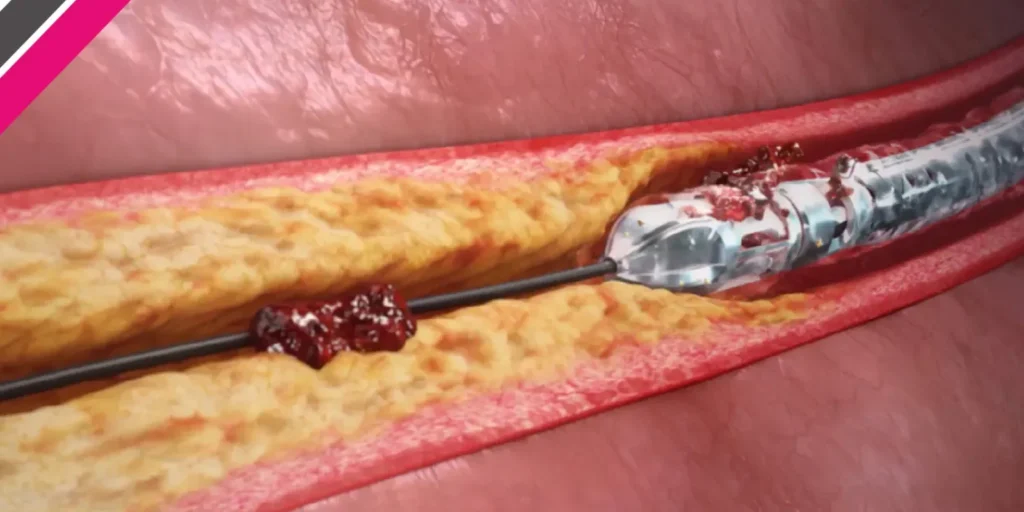
Rotational atherectomy is an advanced interventional cardiology procedure used to treat severely calcified coronary artery blockages that cannot be safely or effectively treated with standard angioplasty alone. Over time, calcium deposits can harden within the coronary arteries, making them rigid and resistant to balloon dilation or stent placement. Rotational atherectomy gently modifies these hardened plaques, allowing improved blood flow and successful completion of angioplasty and stenting.
At Good Heart Clinic, rotational atherectomy is performed with meticulous planning, advanced imaging support, and a strong emphasis on patient safety and comfort.
Seeking Care? We are here to help!
What Is Orbital Atherectomy?
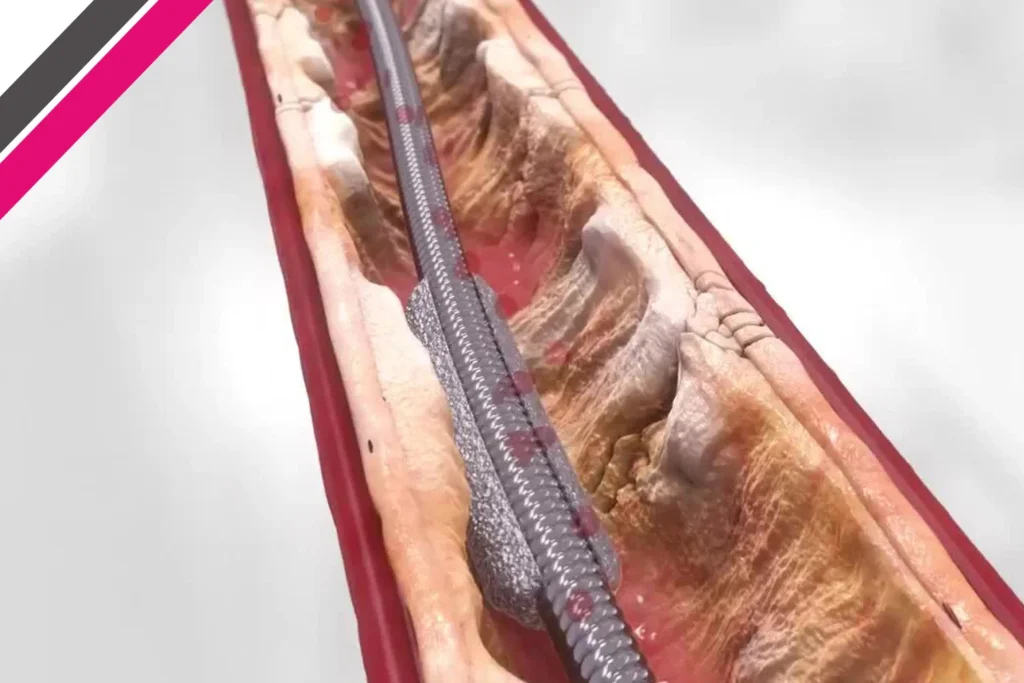
Orbital atherectomy is a minimally invasive medical procedure used to treat calcified plaque buildup in arteries, most commonly in patients with peripheral artery disease (PAD) or coronary artery disease. The procedure uses a specialized catheter with a diamond-coated, rotating crown that spins in an orbital (circular) motion. As it rotates, it sands down hard calcium deposits into tiny particles, helping to restore blood flow while preserving the artery’s natural flexibility.
Who Should Undergo Atherectomy?
Atherectomy is recommended for patients with complex and heavily calcified coronary artery disease where routine angioplasty may not achieve optimal results. These calcified lesions often occur in elderly patients, individuals with long-standing diabetes, kidney disease, or those with previous cardiac interventions.
- Patients with severely calcified coronary artery blockages
- Individuals in whom standard balloon angioplasty has failed or is unlikely to succeed
- Elderly patients with long-standing coronary artery disease
- Patients with diabetes, chronic kidney disease, or complex multi-vessel disease
- Individuals requiring precise plaque modification before stent placement
How Is Rotational Atherectomy Performed?
- Coronary angioplasty is performed in a cardiac catheterization laboratory using minimally invasive techniques. The procedure is usually done under local anesthesia, allowing the patient to remain awake but comfortable.
- A thin catheter is inserted through the wrist or groin and guided to the affected coronary artery.
- The rotating burr is then advanced to the site of calcification, where it gently and precisely modifies the hardened plaque.
- This process improves artery compliance, allowing balloons and stents to be placed safely and effectively afterward.
- Throughout the procedure, heart rhythm, blood pressure, and oxygen levels are continuously monitored.
- Advanced imaging guidance ensures accuracy and minimizes risk. Once plaque modification is complete, angioplasty and stenting are performed as needed to restore optimal blood flow.
Benefits of Coronary Angioplasty
Rotational atherectomy plays a crucial role in treating complex coronary artery disease by addressing calcified blockages that would otherwise limit treatment success. By modifying hardened plaque, the procedure improves the effectiveness and durability of angioplasty and stenting.
- Effective treatment of heavily calcified coronary blockages
- Improved artery flexibility for safe stent placement
- Better stent expansion and long-term outcomes
- Reduced risk of stent failure or re-narrowing
- Enables treatment of complex and high-risk coronary lesions
- Minimally invasive approach with faster recovery

Advanced Facilities at Good Heart Clinic
Good Heart Clinic is equipped with advanced interventional cardiology infrastructure to safely perform complex procedures such as rotational atherectomy. The clinic uses high-quality imaging systems and precision-guided tools to ensure accurate plaque modification and optimal procedural outcomes.
- Strict adherence to globally accepted safety protocols ensures patient well-being at every stage.
- Special emphasis is placed on radial (wrist) access whenever appropriate, promoting faster recovery, reduced bleeding risk, and enhanced patient comfort.
- Under the expertise of Dr. Harshal Ingle, patients benefit from careful case selection, detailed pre-procedure planning, and ethical decision-making.
- Each rotational atherectomy procedure is supported by a trained cardiac team, advanced monitoring systems, and a calm, reassuring clinical environment.
Worried you may need surgery? Explore Second Opinion
If you’re feeling unsure about your diagnosis or treatment plan, a second opinion can bring the clarity and peace of mind you need. Dr. Harshal Ingle offers a thoughtful, unbiased review of your reports, helping you understand every option clearly and confidently.
Many patients seek a second opinion when facing major decisions like angioplasty, bypass surgery, or valve procedures. With extensive expertise in complex and high-risk cases, Dr. Ingle ensures you receive honest guidance tailored to your condition. Your heart deserves certainty—and we are here to help you make the choice that feels right for you.

Expert Knowledge. Trusted Guidance.
Doctor-led treatment videos offer clear, reliable guidance for anyone seeking to understand medical procedures and make informed decisions about their care.
Frequently Asked Questions (FAQ's)
Is rotational atherectomy safe?
Yes, when performed by an experienced interventional cardiologist, rotational atherectomy is a safe and well-established procedure for treating calcified coronary arteries.
Is rotational atherectomy different from angioplasty?
Yes. Rotational atherectomy modifies hardened calcium before angioplasty, while angioplasty alone uses a balloon to widen the artery.
Will I still need a stent after rotational atherectomy?
In most cases, yes. Rotational atherectomy prepares the artery so that stents can be placed safely and effectively.
Does the procedure cause pain?
The procedure is done under local anesthesia. Patients may feel mild pressure but typically do not experience significant pain.