
Device Closure for Congenital Heart Defects
What Is Device Closure?
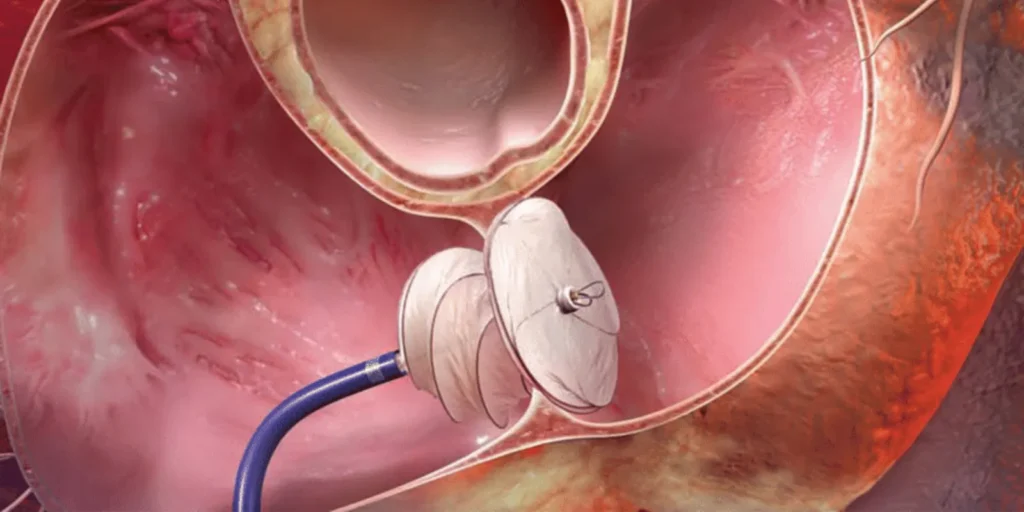
Device closure is a minimally invasive cardiac procedure used to close abnormal openings or defects within the heart using a specially designed occlusion device. These defects may allow abnormal blood flow between heart chambers, placing extra strain on the heart and lungs over time. Device closure corrects this problem without the need for open-heart surgery.
The procedure is commonly used to treat conditions such as atrial septal defect (ASD), patent foramen ovale (PFO), and selected ventricular septal defects (VSD). By sealing the defect from within, device closure helps restore normal circulation and prevents long-term complications such as breathlessness, fatigue, stroke risk, or heart failure progression.
Seeking Care? We are here to help!
Who Should Undergo Device Closure?
Device closure is recommended for patients diagnosed with specific structural heart defects that affect blood flow and cardiac efficiency. The decision to proceed is based on detailed imaging, symptom evaluation, and overall heart function.
- Patients diagnosed with atrial septal defect (ASD)
- Individuals with patent foramen ovale (PFO) associated with stroke or unexplained symptoms
- Selected patients with ventricular septal defects (VSD)
- Patients experiencing breathlessness, fatigue, or recurrent chest infections due to abnormal blood flow
- Individuals at risk of complications from untreated structural heart defects
How Is Device Closure Performed?
- A thin catheter is inserted through a blood vessel in the groin and guided to the heart under advanced imaging guidance.
- Once the defect is precisely located, a specially designed closure device is deployed to seal the opening. The device expands on both sides of the defect and remains securely in place.
- During the procedure, patients remain awake but relaxed, and discomfort is minimal. The medical team continuously monitors heart rhythm, blood pressure, and oxygen levels to ensure safety.
- Over time, the heart’s natural tissue grows over the device, permanently sealing the defect. Throughout the procedure, heart function and vital signs are closely monitored to ensure safety and accuracy
- Most patients recover quickly and are able to resume normal activities within a short period, with minimal discomfort.
Benefits of Device Closure
Device closure offers an effective and safe solution for treating selected structural heart defects while avoiding the risks associated with open-heart surgery. It improves heart efficiency and reduces long-term complications.
- Correction of abnormal blood flow within the heart
- Minimally invasive alternative to open-heart surgery
- Faster recovery and shorter hospital stay
- Reduced risk of long-term complications such as stroke or heart failure
- Durable and long-lasting results
- Improved exercise tolerance and daily comfort

Advanced Facilities at Good Heart Clinic
Good Heart Clinic is equipped with advanced cardiac imaging and catheter-based intervention systems that enable precise and safe device closure procedures. High-resolution imaging allows accurate assessment of defect size, shape, and location before and during the procedure.
- The clinic follows strict safety and sterility protocols to ensure optimal outcomes.
- Each patient undergoes detailed pre-procedure evaluation and individualized treatment planning.
- Under the expert care of Dr. Harshal Ingle, patients benefit from ethical guidance, meticulous procedural execution, and comprehensive follow-up care.
- From diagnosis to recovery, every step is focused on patient reassurance and long-term heart health.
Worried you may need surgery? Explore Second Opinion
If you’re feeling unsure about your diagnosis or treatment plan, a second opinion can bring the clarity and peace of mind you need. Dr. Harshal Ingle offers a thoughtful, unbiased review of your reports, helping you understand every option clearly and confidently.
Many patients seek a second opinion when facing major decisions like angioplasty, bypass surgery, or valve procedures. With extensive expertise in complex and high-risk cases, Dr. Ingle ensures you receive honest guidance tailored to your condition. Your heart deserves certainty—and we are here to help you make the choice that feels right for you.

Expert Knowledge. Trusted Guidance.
Doctor-led treatment videos offer clear, reliable guidance for anyone seeking to understand medical procedures and make informed decisions about their care.
Frequently Asked Questions (FAQ's)
Is device closure a surgical procedure?
No, device closure is a minimally invasive catheter-based procedure and does not involve open-heart surgery.
Will the device stay inside my heart permanently?
Yes, the closure device remains in place permanently and becomes covered by natural heart tissue over time.
Is device closure safe for adults and children?
Device closure is safe for selected patients when performed by experienced cardiologists after proper evaluation.
How long does recovery take after device closure?
Most patients recover quickly and can return to normal activities within a few days, depending on individual health.