From Total Occlusion to New Hope: A Young Woman’s Journey with Takayasu Arteritis
Dr. Harshal Ingle and his team recently managed a complex and challenging vascular case that underscores the importance of detailed evaluation, patience, and advanced interventional care.
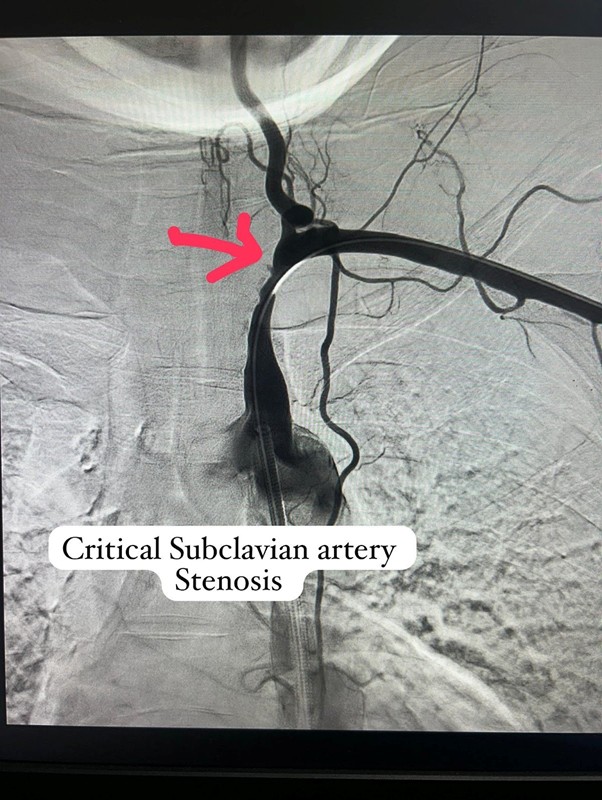
A young female patient with a prior history of stroke presented with a 100% thrombotic occlusion of the left subclavian artery, significantly compromising blood flow. She had previously been advised to undergo surgical intervention at another center. Upon presenting to Good Heart Clinic, Dr. Ingle conducted a comprehensive clinical assessment and opted for a carefully planned, patient-first approach.
Instead of rushing into surgery, the patient was started on antithrombotic therapy (blood thinners) and closely monitored. During this period, further investigations revealed that the underlying cause was Takayasu arteritis, a rare and complex inflammatory vascular disease that often affects young women and requires thoughtful, staged management.
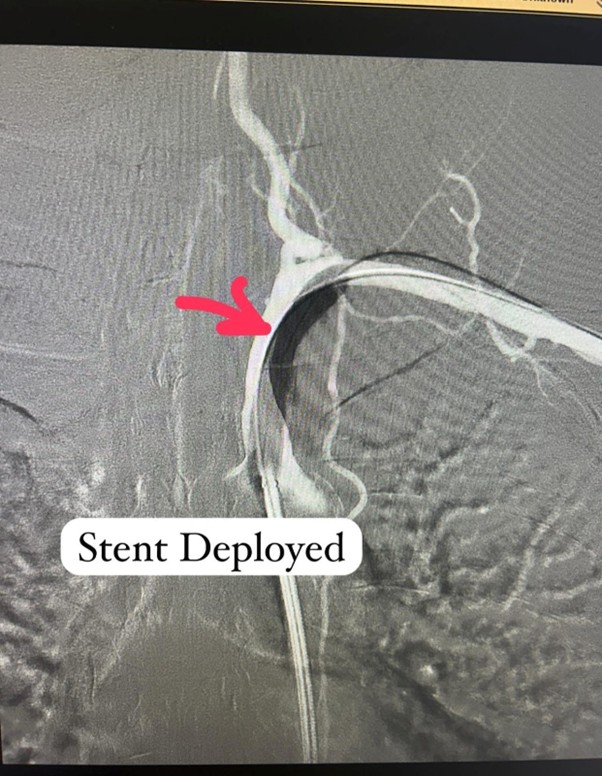
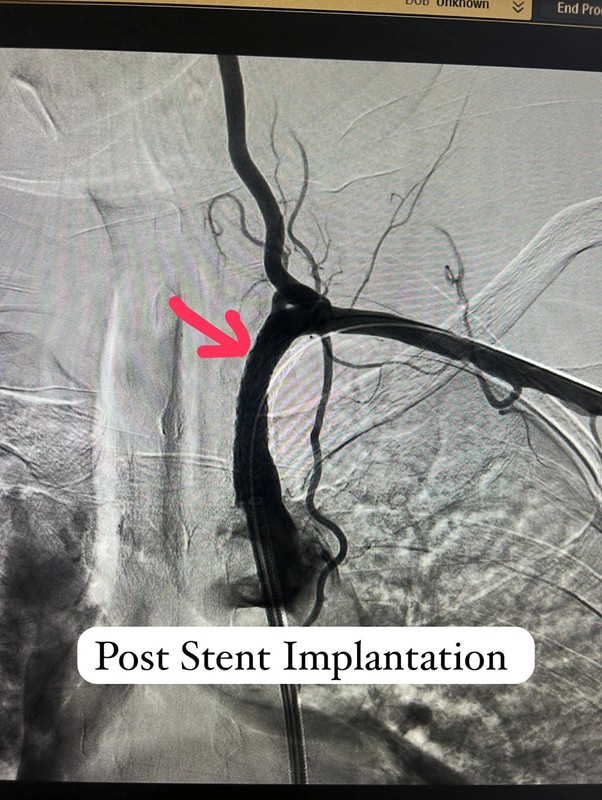
After a few weeks of medical therapy, a repeat CT Angiography showed partial recanalization of the previously occluded subclavian artery, indicating a positive response to treatment. To further define the anatomy and plan intervention precisely, Digital Subtraction Angiography (DSA) was performed. Based on these findings, Dr. Ingle successfully carried out a subclavian artery angioplasty, restoring critical blood flow to the affected limb and reducing future neurological risk.
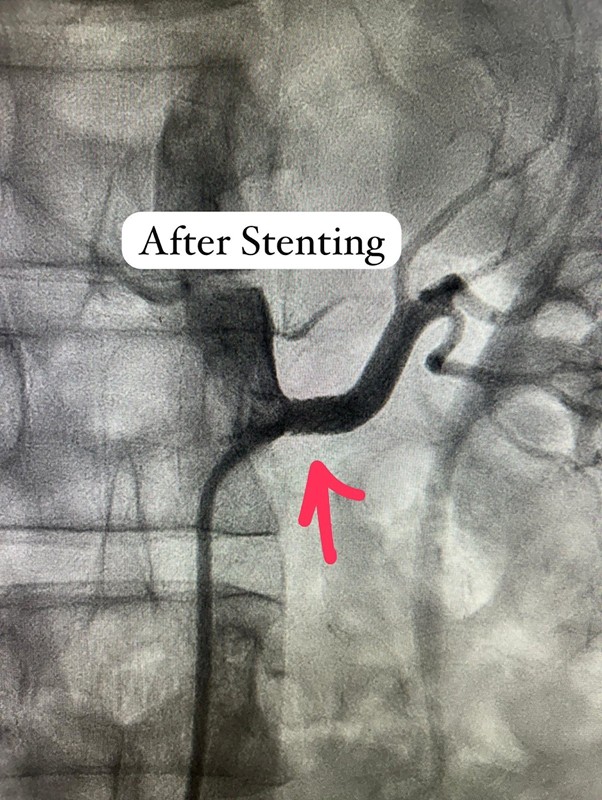
The evaluation did not stop there. Given the patient’s uncontrolled hypertension and known Takayasu arteritis, Dr. Ingle pursued a more detailed vascular assessment. This led to the discovery of a critical left renal artery stenosis, a hidden yet significant contributor to her blood pressure issues and long-term risk.
In the same procedural setting, a renal artery angioplasty was performed, addressing another major vascular obstruction and significantly improving her overall vascular health profile.
This case highlights the critical role of thorough clinical judgment, advanced imaging techniques such as DSA, and timely, minimally invasive intervention in managing complex vascular diseases. Most importantly, it reflects a commitment to treating not just isolated lesions, but the patient as a whole—leading to safer decisions, better outcomes, and renewed hope.