

Electrocardiogram (ECG/EKG)
What Is Electrocardiogram (ECG/EKG)?
An Electrocardiogram, commonly known as ECG or EKG, is a simple, non-invasive test that records the electrical activity of the heart. Every heartbeat is triggered by electrical signals, and an ECG captures these signals to assess how well the heart is functioning. This test helps identify irregular heart rhythms, signs of reduced blood supply, or previous heart damage.
An ECG is often the first and most important step in evaluating heart-related symptoms. It provides valuable information within minutes and helps guide further diagnostic or treatment decisions. Because it is quick, painless, and highly informative, ECG is widely used for both routine heart check-ups and emergency cardiac assessment.
Seeking Care? We are here to help!
Who Should Undergo an ECG/EKG?
An ECG is recommended for individuals experiencing symptoms that may be related to heart rhythm or blood flow abnormalities. It is also commonly used as a screening tool for people with known risk factors for heart disease.
- Individuals experiencing chest pain, palpitations, or shortness of breath
- Patients with dizziness, fainting episodes, or unexplained fatigue
- People with high blood pressure, diabetes, or a family history of heart disease
- Patients undergoing routine heart health evaluation
- Individuals with suspected rhythm disturbances or arrhythmias
- Patients before surgery or medical procedures as part of cardiac assessment
How Is an ECG/EKG Performed?
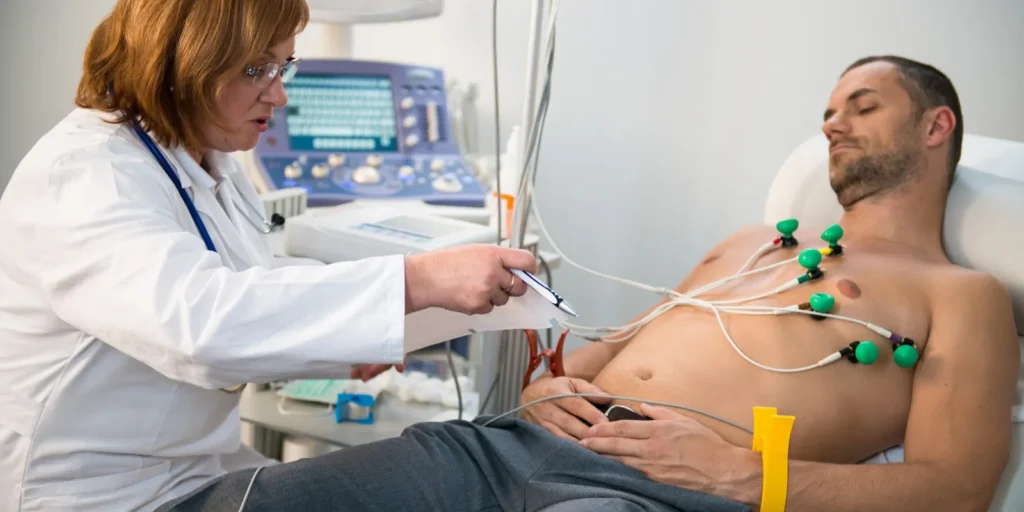
- An ECG is a quick and painless test that usually takes only a few minutes. Small adhesive electrodes are placed on the chest, arms, and legs.
- These electrodes are connected to an ECG machine that records the heart’s electrical signals as wave patterns.
- The test does not involve needles, injections, or radiation. Patients are asked to lie still and breathe normally while the recording is taken. The entire process is comfortable and non-invasive.
- Once completed, the ECG tracing is reviewed by the cardiologist to identify any abnormalities in heart rhythm, rate, or electrical conduction.
- Results are often available immediately, allowing prompt discussion and next-step planning if needed.
Benefits of an Electrocardiogram
An ECG plays a crucial role in early detection and monitoring of heart conditions. It provides quick insights that help guide further investigations or treatment decisions. The test is widely trusted for its reliability and is an essential tool in both preventive cardiology and emergency care.
- Quick and painless assessment of heart rhythm and rate
- Early detection of irregular heartbeats and conduction problems
- Helps identify signs of reduced blood flow or past heart damage
- Useful for routine screening and emergency evaluation
- Provides immediate information to guide clinical decisions

Advanced Facilities at Good Heart Clinic
At Good Heart Clinic, ECG testing is supported by modern equipment that ensures accurate recordings and reliable results. Each ECG is interpreted by an experienced cardiologist, ensuring clinical relevance and proper correlation with symptoms and medical history.
- The clinic follows standardized protocols to ensure consistency and precision in every test.
- When needed, ECG findings are combined with other diagnostic tools such as echocardiography, Holter monitoring, or stress testing for a comprehensive heart evaluation.
- Under the care of Dr. Harshal Ingle, patients receive clear explanations of their ECG results and thoughtful guidance on further evaluation or treatment, if required.
Worried you may need surgery? Explore Second Opinion
If you’re feeling unsure about your diagnosis or treatment plan, a second opinion can bring the clarity and peace of mind you need. Dr. Harshal Ingle offers a thoughtful, unbiased review of your reports, helping you understand every option clearly and confidently.
Many patients seek a second opinion when facing major decisions like angioplasty, bypass surgery, or valve procedures. With extensive expertise in complex and high-risk cases, Dr. Ingle ensures you receive honest guidance tailored to your condition. Your heart deserves certainty—and we are here to help you make the choice that feels right for you.

Expert Knowledge. Trusted Guidance.
Doctor-led treatment videos offer clear, reliable guidance for anyone seeking to understand medical procedures and make informed decisions about their care.
Frequently Asked Questions (FAQ's)
Is an ECG test painful?
No, an ECG is completely painless and non-invasive.
How long does an ECG take?
The test usually takes just a few minutes, with results often available immediately.
Can an ECG detect a heart attack?
An ECG can show changes suggestive of a current or previous heart attack, but further tests may be needed for confirmation.
Is ECG safe for all age groups?
Yes, ECG is safe for children, adults, and elderly patients.