

Transcatheter Aortic Valve Implantation/Replacement (TAVI/TAVR)
What Is TAVI/TAVR?
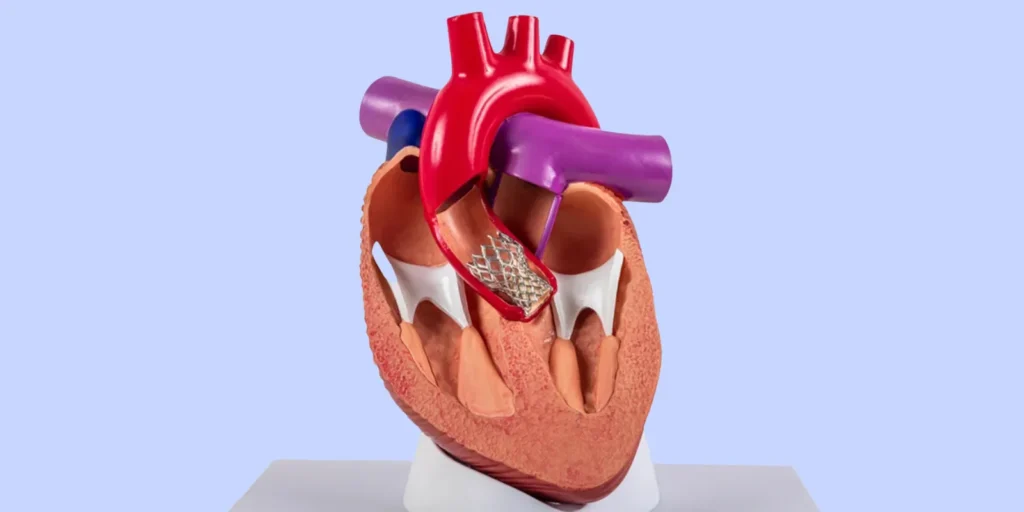
TAVI, also known as TAVR, is an advanced minimally invasive procedure used to replace a diseased aortic valve without open-heart surgery. The aortic valve plays a vital role in regulating blood flow from the heart to the rest of the body. When this valve becomes severely narrowed—a condition known as aortic stenosis—it can significantly reduce blood flow and place dangerous strain on the heart.
TAVI/TAVR allows doctors to implant a new valve using a catheter-based approach, avoiding large surgical incisions and prolonged recovery. The new valve is positioned within the diseased valve and begins functioning immediately, restoring efficient blood flow. This innovative procedure has transformed the treatment of aortic valve disease, especially for elderly patients and those at higher surgical risk.
Seeking Care? We are here to help!
Who Should Undergo TAVI / TAVR?
TAVI/TAVR is recommended for patients with severe aortic stenosis who are experiencing symptoms or whose condition poses a serious risk to heart function. Careful evaluation is essential to determine whether the procedure is appropriate, taking into account age, overall health, valve anatomy, and individual risk factors.
- Patients diagnosed with severe aortic stenosis
- Individuals experiencing breathlessness, chest pain, or fainting due to valve narrowing
- Elderly patients or those with high surgical risk
- Patients with multiple medical conditions where open-heart surgery is not suitable
- Individuals requiring valve replacement with faster recovery
How Is TAVI / TAVR Performed?
- A thin catheter is inserted through a blood vessel most commonly through the groin and guided carefully to the heart.
- The new valve, mounted on a balloon or self-expanding frame, is positioned precisely within the diseased aortic valve.
- Once deployed, the new valve takes over the function of regulating blood flow immediately.
- The heart continues to beat throughout the procedure, and there is no need for open surgery or stopping the heart.
- Continuous monitoring ensures safety and accuracy at every stage. Most patients experience significant symptom relief soon after the procedure and begin recovery much faster than with traditional surgery.
Benefits of TAVI / TAVR
TAVI/TAVR offers meaningful improvement in symptoms and quality of life while reducing the physical impact associated with conventional valve surgery. It has become a preferred option for many patients who require valve replacement but wish to avoid major surgery.
- Effective treatment for severe aortic valve stenosis
- Minimally invasive approach without open-heart surgery
- Faster recovery and shorter hospital stay
- Reduced surgical stress, especially for elderly patients
- Lower risk of complications compared to traditional surgery in suitable patients
- Immediate improvement in blood flow and symptoms

Advanced Facilities at Good Heart Clinic
Good Heart Clinic is equipped with advanced cardiac imaging, catheter-based intervention systems, and comprehensive monitoring technology required for safe and precise TAVI/TAVR procedures. Detailed pre-procedure evaluation ensures accurate valve sizing and optimal patient selection.
- The clinic follows internationally accepted protocols and evidence-based practices to ensure procedural safety and long-term success.
- Every step from diagnostic assessment to valve deployment and post-procedure care is carefully coordinated.
- Under the expertise of Dr. Harshal Ingle, patients receive personalized treatment planning, ethical guidance, and compassionate care.
- Continuous monitoring, structured follow-up, and lifestyle support are integral parts of the care pathway to ensure sustained heart health after valve replacement.
Worried you may need surgery? Explore Second Opinion
If you’re feeling unsure about your diagnosis or treatment plan, a second opinion can bring the clarity and peace of mind you need. Dr. Harshal Ingle offers a thoughtful, unbiased review of your reports, helping you understand every option clearly and confidently.
Many patients seek a second opinion when facing major decisions like angioplasty, bypass surgery, or valve procedures. With extensive expertise in complex and high-risk cases, Dr. Ingle ensures you receive honest guidance tailored to your condition. Your heart deserves certainty—and we are here to help you make the choice that feels right for you.

Expert Knowledge. Trusted Guidance.
Doctor-led treatment videos offer clear, reliable guidance for anyone seeking to understand medical procedures and make informed decisions about their care.
Frequently Asked Questions (FAQ's)
Is TAVI/TAVR the same as open-heart valve surgery?
No. TAVI/TAVR is a minimally invasive procedure and does not involve opening the chest or stopping the heart.
How long does recovery take after TAVI/TAVR?
Most patients recover much faster than with surgical valve replacement and are able to resume routine activities within a short period.
Is TAVI/TAVR safe for elderly patients?
Yes. TAVI/TAVR is especially beneficial for elderly and high-risk patients and has shown excellent safety and outcome data.
Will the new valve last long?
Modern transcatheter valves are designed for durability and long-term performance, with ongoing follow-up ensuring optimal function.